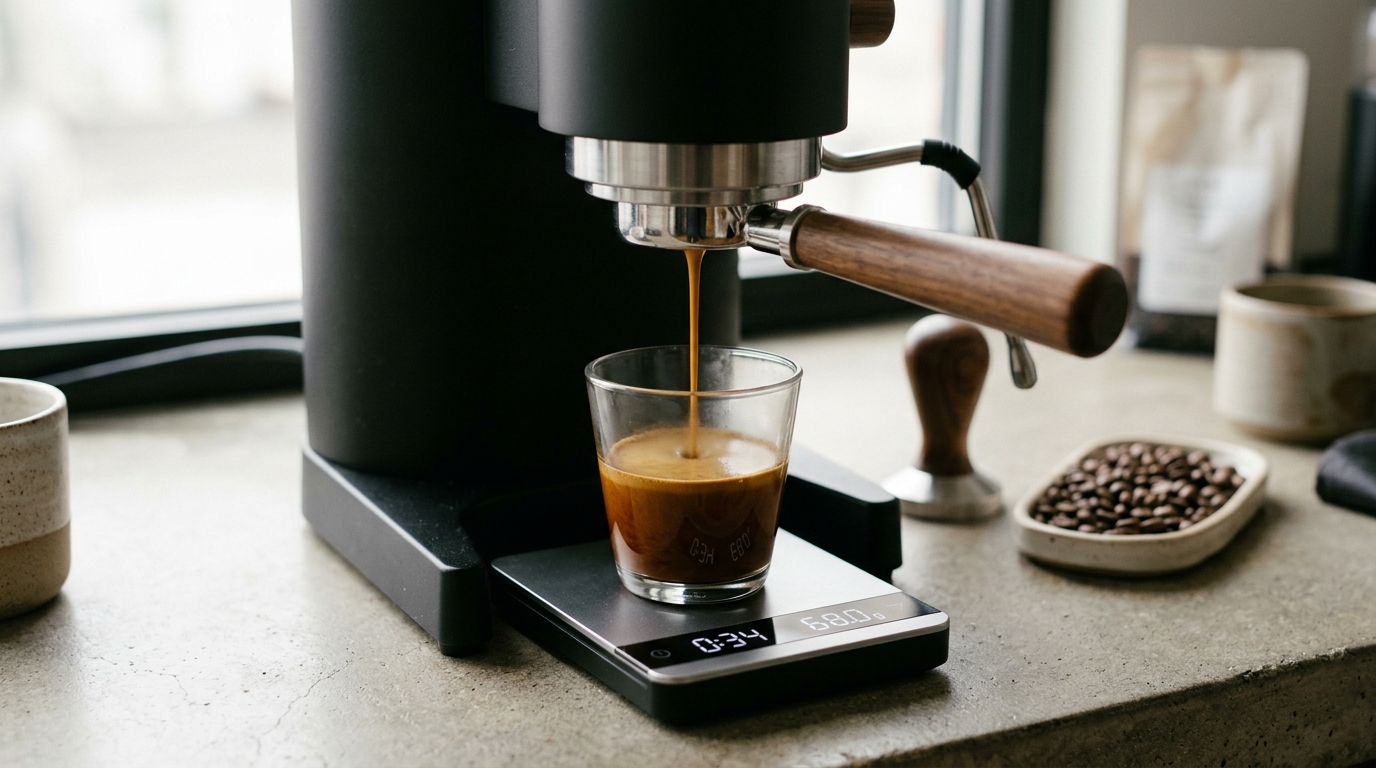
The coffee world has embraced a revolutionary approach to espresso extraction that challenges traditional conventions. Soup shots represent a paradigm shift toward high-yield, nuanced extractions that unlock the complex flavor profiles hidden within premium light roasts. This sophisticated technique transforms the familiar 1:2 ratio into an extended 1:4 extraction, delivering 70-80ml of refined, filter-like clarity while maintaining espresso’s concentrated essence.
Understanding the 1:4 Soup Shot Foundation
The 1:4 ratio fundamentally reimagines espresso extraction by extending yield without compromising quality. Traditional espresso extractions at 1:2 ratios often mask the delicate fruit notes and floral complexities that define premium light roasts. The soup shot method addresses this limitation through controlled pressure reduction and extended contact time, allowing water to extract more nuanced compounds while avoiding over-extraction bitterness.
This technique works exceptionally well with specialty coffee wellness approaches that emphasize clean, bright flavors. The extended extraction reveals terroir characteristics that shorter pulls simply cannot access, making it ideal for showcasing single-origin coffees with distinct regional profiles.
The Science Behind Extended Extraction
Extended extractions at lower pressures create optimal conditions for extracting soluble compounds without pulling harsh tannins. The 1:4 ratio allows for thorough saturation of the coffee bed while maintaining balanced extraction percentages between 18-22%. This controlled approach prevents the bitter compounds that emerge during over-extraction while maximizing sweetness and acidity balance.
Pressure Profiling for Soup Shots
Successful soup shot execution demands precise pressure profiling throughout the extraction cycle. Unlike traditional 9-bar pulls, soup shots require a stepped approach that begins with gentle pre-infusion and maintains consistent lower pressure during the main extraction phase.
Begin with 2-3 bars during the initial 10-second pre-infusion phase, allowing the coffee bed to saturate evenly. Gradually increase to 6-7 bars for the main extraction, maintaining this pressure until reaching your target 72-75ml yield. This controlled pressure profile ensures even water distribution while preventing channeling that can compromise extraction quality.
Modern Machine Capabilities
Contemporary espresso machines increasingly offer flow control features that make pressure profiling accessible to home baristas. Machines like the Lelit Bianca and Decent DE1 provide intuitive controls for managing pressure curves, while manual lever machines offer tactile feedback for developing extraction sensitivity.
Grind Adjustment Strategies
Grind calibration for soup shots requires a counterintuitive approach compared to traditional espresso preparation. The extended extraction time demands a slightly coarser grind to prevent over-extraction while ensuring adequate resistance for proper pressure build-up.
Start approximately two settings coarser than your standard espresso grind, then fine-tune based on extraction timing. Target total extraction time should range between 35-45 seconds, with initial drops appearing around 8-10 seconds. The grind should provide enough resistance to maintain consistent pressure while allowing controlled flow throughout the extended extraction.
Basket Selection and Dosing
Step-down baskets prove particularly effective for soup shot preparations. These deeper, narrower baskets accommodate 15-16g doses while creating optimal puck geometry for extended extractions. The increased depth provides better water distribution and reduces the risk of channeling that can occur with traditional shallow baskets.
Dose precision becomes critical with the extended contact time. Maintain consistent 15-16g doses, as variations will significantly impact extraction timing and flavor balance. The reduced dose compared to traditional 18-20g pulls compensates for the increased yield, maintaining proper extraction percentages.
Step-by-Step Soup Shot Protocol
Successful soup shot execution requires methodical attention to each preparation stage. Begin by ensuring your machine reaches optimal brewing temperature of 200-203°F, slightly higher than traditional espresso to compensate for the extended extraction time.
Dose 15-16g of freshly ground coffee into your step-down basket, distributing evenly with a distribution tool. Tamp with consistent 30-pound pressure, ensuring level compression. Lock the portafilter and initiate pre-infusion immediately to prevent temperature loss.
Monitor the initial flow carefully, adjusting pressure as needed to maintain the 6-7 bar target during main extraction. Watch for color changes in the stream, stopping extraction when the flow becomes noticeably lighter, typically around 40-45 seconds total time.
Quality Indicators
Visual cues provide essential feedback during soup shot extraction. The stream should maintain a steady, honey-like consistency throughout the pull, with minimal spritzing or uneven flow patterns. The extracted liquid should exhibit bright clarity with minimal sediment, indicating proper filtration and extraction balance.
Ceramic Bowl Serving Presentation
The serving vessel fundamentally influences the soup shot experience. Traditional demitasse cups constrain the extended volume, while ceramic bowls provide optimal surface area for appreciating the coffee’s aromatic complexity and visual clarity.
Select bowls with 100-120ml capacity to accommodate the full extraction while allowing proper temperature retention. The wider surface area enhances aroma perception while the ceramic material maintains thermal stability. Pre-warm bowls with hot water to prevent immediate temperature loss upon serving.
Consider the tactile experience when selecting serving ware. Textured ceramic surfaces provide comfortable grip while adding visual interest that complements the coffee’s refined presentation. The bowl format encourages slower, more contemplative consumption that aligns with the soup shot’s extended flavor development.
Professional Presentation Tips
Serve soup shots immediately after extraction to preserve optimal temperature and crema characteristics. The extended yield produces a lighter crema layer that dissipates more quickly than traditional espresso, making prompt service essential for maintaining visual appeal.
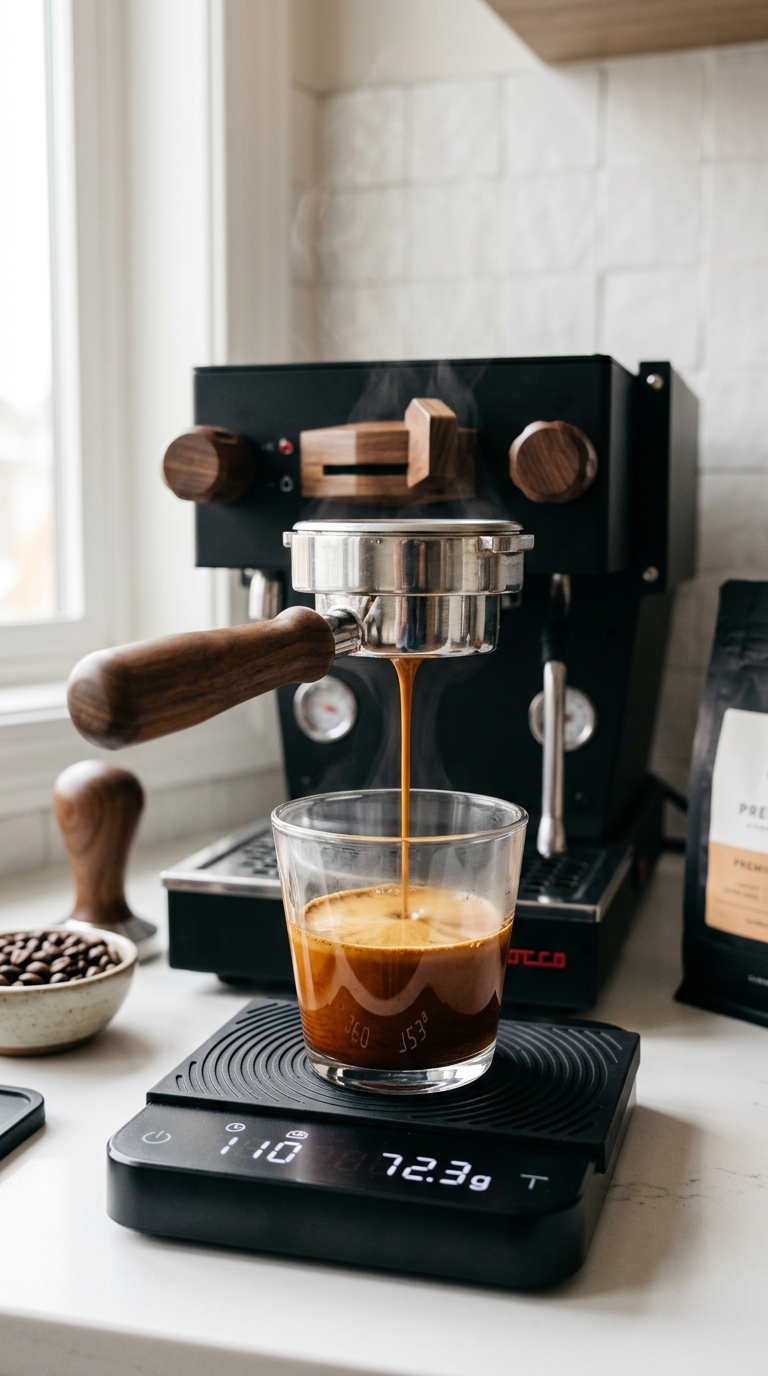
Consider pairing with complementary elements that enhance the tasting experience. Light pastries or subtle flavor accompaniments can provide textural contrast without overwhelming the coffee’s delicate flavor profile.
Home Barista Workflow Integration
Incorporating soup shots into your daily home barista workflow requires minor adjustments to existing routines while delivering significantly enhanced flavor experiences. The technique pairs excellently with optimized coffee timing strategies that maximize caffeine effectiveness throughout the day.
Plan additional time for the extended extraction and careful monitoring required. The 40-45 second extraction time, combined with pre-warming and preparation, typically adds 2-3 minutes to standard espresso preparation. This investment pays dividends in flavor complexity and drinking satisfaction.
Maintain detailed extraction logs noting grind settings, timing, and flavor outcomes. The soup shot’s extended parameters create more variables to track, but this data proves invaluable for achieving consistent results and troubleshooting extraction issues.
Troubleshooting Common Challenges
New practitioners often encounter specific challenges when transitioning to soup shot techniques. Under-extraction manifests as sour, sharp flavors that lack sweetness development. Address this by slightly tightening the grind or extending extraction time while maintaining proper pressure profiles.
Over-extraction produces bitter, astringent notes that overpower the coffee’s natural sweetness. Combat this by coarsening the grind slightly or reducing extraction pressure during the final stages of the pull.
Channeling remains the most common technical issue, typically resulting from uneven distribution or inconsistent tamping. Focus on methodical puck preparation and consider upgrading to precision distribution tools if channeling persists despite careful technique.
Frequently Asked Questions
What grind size should I use for soup shots compared to regular espresso?
Use approximately two settings coarser than your standard espresso grind. This prevents over-extraction during the extended 40-45 second extraction time while maintaining adequate resistance for proper pressure build-up.
How do I adjust pressure for soup shot extraction?
Begin with 2-3 bars during 10-second pre-infusion, then gradually increase to 6-7 bars for main extraction. Maintain this lower pressure throughout the pull to avoid harsh extraction while allowing proper flow control.
What dose should I use for 1:4 ratio soup shots?
Use 15-16g of coffee for a 60-64ml yield (1:4 ratio). Step-down baskets work best for this reduced dose, providing optimal puck geometry for extended extractions.
Why serve soup shots in ceramic bowls instead of cups?
Bowls provide optimal surface area for appreciating aroma and visual clarity while accommodating the 70-80ml yield. The wider opening enhances the sensory experience and allows proper temperature retention.
Which coffee roasts work best for soup shot extraction?
Light roasts excel with soup shot technique as the extended extraction reveals delicate fruit notes and floral complexities that shorter pulls often mask. The method showcases terroir characteristics in single-origin coffees.
Leave a Reply