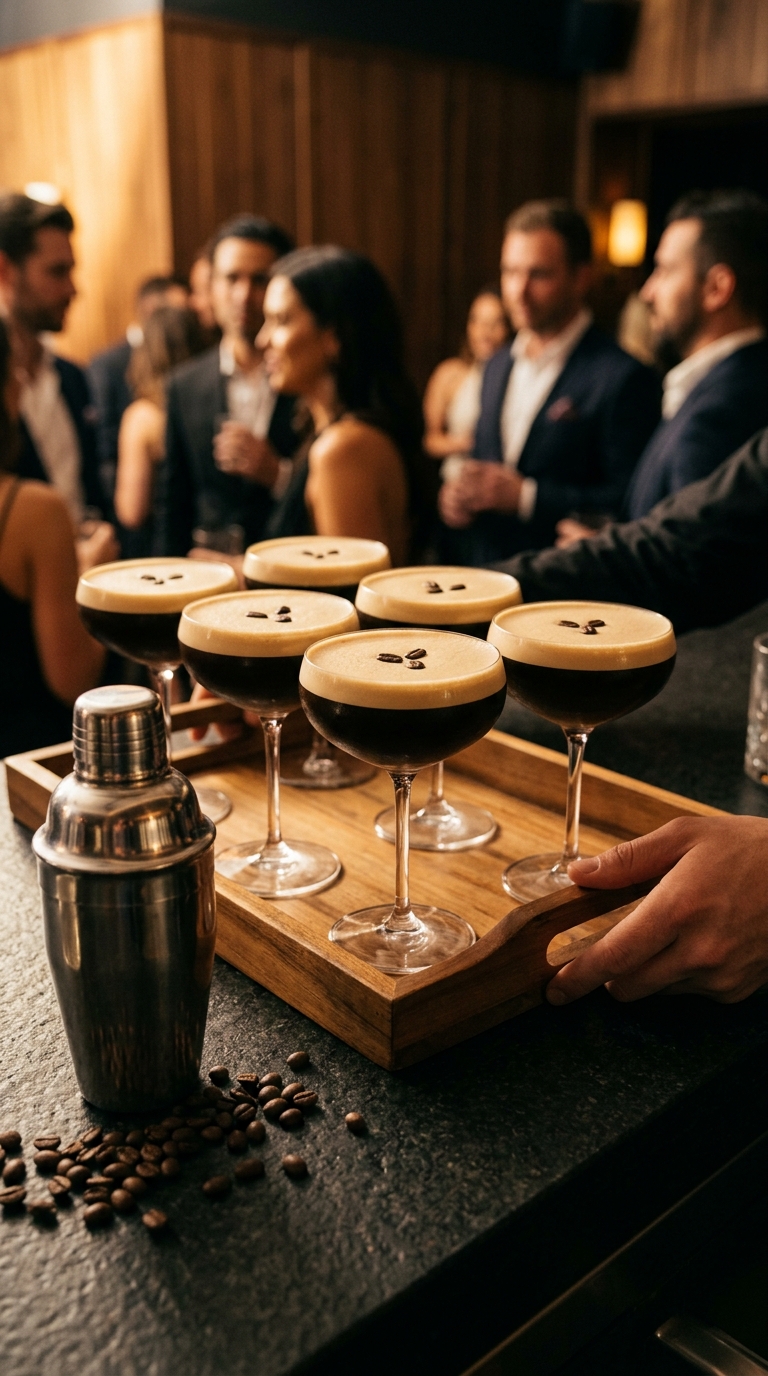
The late evening light fades as your guests arrive, their anticipation building for the signature drink of the night. But serving a perfect batch espresso martini to fifty people while maintaining that signature velvety foam requires more than traditional shaking techniques. It demands understanding the chemistry of coffee oils, temperature control, and natural stabilizers.
The Science Behind Batch Espresso Martini Foam Preservation
Traditional espresso martini foam collapses within minutes when exposed to heat and air. The key lies in understanding how coffee proteins interact with alcohol and temperature. Fresh espresso contains natural oils and proteins that create foam, but these delicate structures break down rapidly at room temperature.
Professional bartenders use a three-phase approach: pre-chilling all components to 32°F, incorporating natural stabilizers like aquafaba or egg whites, and employing the double-shake technique to maximize aeration while preserving structure.
Essential Equipment for Large-Scale Summer Party Drinks
Transform your hosting game with these critical tools. A large glass pitcher allows for visual appeal while maintaining temperature. Commercial-grade cocktail shakers enable proper aeration for multiple servings. Pre-frozen serving glasses create an immediate thermal barrier against summer heat.
The secret weapon is your freezer space. Freeze not just glasses, but your mixing vessels, bar spoons, and even the espresso shots themselves using coffee ice cubes to prevent dilution.
The Professional Stabilizer Technique
Natural foam stabilizers extend foam life from minutes to hours. Add one tablespoon of aquafaba per dozen servings to your batch espresso martini base. This plant-based protein creates microscopic air bubbles that resist collapse, maintaining that coveted dark-to-light gradient.
Alternatively, pasteurized egg whites provide superior foam density but require careful handling in summer heat. Use one egg white per twenty servings, incorporating during the dry shake phase.
The 3:2:1 Ratio for Perfect Midnight Coffee Ritual
Scale your ingredients precisely: three parts vodka, two parts coffee liqueur, one part fresh espresso concentrate. For fifty servings, combine 750ml premium vodka, 500ml quality coffee liqueur, and 250ml concentrated espresso shots in your largest vessel.
Temperature is everything. Pre-chill this base mixture for minimum two hours. The thermal shock when shaken with ice creates the dense, persistent foam that defines elevated hosting.
The Double-Shake Method Explained
Execute a dry shake first—no ice, pure aeration for thirty seconds. This incorporates your stabilizer and begins foam formation. Follow immediately with a hard wet shake using fresh ice, creating that signature velvety texture while rapidly chilling the mixture.
Strain through a fine mesh to remove ice shards while preserving foam integrity. Pour confidently into your pre-frozen glasses, watching the rich coffee darkness settle beneath the golden crema.
Garnish and Presentation for Large Groups
Move beyond traditional three-bean garnishes for summer sophistication. Scorched rosemary sprigs add aromatic depth while providing Instagram-worthy visual appeal. A single flake of sea salt on the foam surface unlocks espresso’s natural sweetness.
Prepare garnishes in advance, storing them in airtight containers. This allows seamless service when guests arrive, maintaining the drink’s temperature while adding those finishing touches that transform a cocktail into an experience.
Temperature Control Strategies for Outdoor Events
Summer heat threatens foam stability within seconds. Create a mobile bar station in shaded areas, using reflective surfaces to redirect heat. Insulated serving trays maintain glass temperature during transport.
Consider the timing of your pour. Serve in small batches of eight to ten drinks maximum, ensuring each guest receives their martini at optimal temperature. This controlled service maintains quality while building anticipation.
Editor’s picks
The Art of the Evening: Espresso Martini Essentials for 2026
As the afternoon light fades into a soft, amber glow, the ritual begins. The espresso martini is more than a cocktail; it is the bridge between the day’s momentum and the night’s potential, a sophisticated blend of energy and indulgence that sets a curated mood for the hours ahead.
#1Top pick
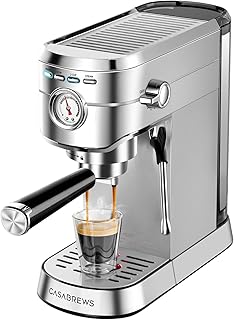
High-Pressure Espresso Machines for Rich Crema
The foundation of a true espresso martini lies in the extraction, where high pressure coaxes a glossy, golden crema from the bean. These machines are designed for the individual who values the tactile process of brewing a shot that carries enough dark richness to anchor the entire drink.
★★★★★4.8/ 5$400 – $800
Key features
15-bar professional pressure pump
Integrated steam wand for versatile texture
Rapid heating system for immediate evening transitions
Precision temperature control for consistent flavor
Sleek stainless steel or matte finishes
Pros
Produces the essential crema for foam stability
Allows for complete control over coffee strength
Elevates the kitchen aesthetic with a professional look
Cons
Requires a brief learning curve for the perfect pull
Demands regular maintenance to ensure flavor purity
What buyers say
“Users frequently celebrate the ‘coffee-shop quality’ foam and the way the machine becomes a focal point for evening hosting.”
Why it stands out: This is for the purist who knows that the soul of the drink is a perfectly pulled, intense shot of espresso.
The vessel dictates the vibe, and a weighted crystal coupe captures the low light of a lounge perfectly. These glasses offer a delicate rim that enhances the sensory experience of the thick, velvety foam meeting the palate.
★★★★★4.7/ 5$45 – $90
Key features
Lead-free crystal for clarity and brilliance
Ribbed or etched detailing for visual depth
Ergonomic stem design for a confident hold
Reinforced base for a premium, weighted feel
Optimal bowl shape to showcase the three-bean garnish
Pros
Transforms a simple pour into a visual masterpiece
Highly durable despite the delicate appearance
Perfect for slow, intentional sipping
Cons
Hand-washing is often required to maintain clarity
More fragile than standard tempered glassware
What buyers say
“Reviewers often mention the ‘stunning reflections’ under dim lighting and the satisfying weight in the hand.”
Why it stands out: Choose these to turn every sip into a moment of cinematic reflection and social grace.
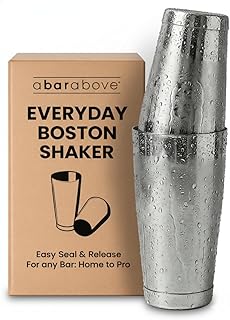
To achieve the signature frothy head of an espresso martini, one needs the rhythmic, forceful aeration that only a weighted shaker can provide. The cold steel chills the liquid instantly, creating a sharp, refreshing contrast to the drink’s deep, roasted notes.
★★★★★4.6/ 5$30 – $65
Key features
High-grade 304 stainless steel construction
Weighted tins for superior balance and sound
Watertight seal to prevent spills during vigorous shaking
Thermal conductivity for rapid chilling
Professional-grade durability for frequent evening use
Pros
Creates a significantly thicker foam than plastic shakers
Chills the drink to an icy, crisp temperature quickly
The sound of the shake adds to the social atmosphere
Cons
Can be difficult to separate when extremely cold
Requires two hands and a bit of physical energy
What buyers say
“Customers love the ‘heavy, expensive feel’ and the way it produces a ‘perfectly aerated’ top every time.”
Why it stands out: This is the essential tool for those who see the preparation of the drink as a performance in itself.
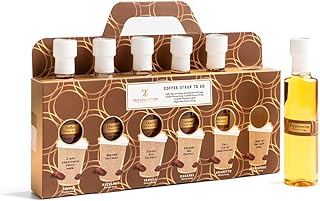
Layered sweetness is what balances the bite of the spirit and the bitterness of the bean. These small-batch syrups offer complex profiles like Madagascar vanilla or toasted hazelnut, allowing for a customized indulgence that feels curated rather than mass-produced.
★★★★★4.5/ 5$20 – $45
Key features
Natural ingredients with no artificial aftertaste
Concentrated flavor for precise sweetness control
Elegant glass bottle packaging for bar cart display
Versatile profiles including salted caramel and dark cocoa
Dissolves effortlessly in cold liquids
Pros
Adds a sophisticated depth of flavor beyond simple sugar
Allows for easy customization of the drink’s sweetness
Bottles are visually expressive for a curated home bar
Cons
Higher price point than grocery store alternatives
Short shelf life due to natural ingredients
What buyers say
“Fans praise the ‘authentic, non-chemical taste’ and how a small amount ‘completely elevates the drink.’”
Why it stands out: Perfect for the host who wants to offer a signature twist on the classic recipe.
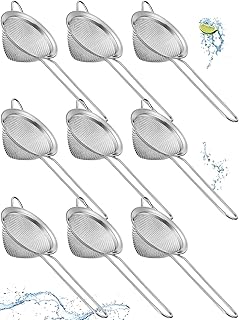
The difference between a good martini and an exceptional one is the texture. A fine mesh strainer removes stray ice shards and coffee grounds, ensuring that the only thing touching the glass is a silky, uniform liquid topped with undisturbed foam.
★★★★★4.9/ 5$12 – $25
Key features
Ultra-fine weave for maximum filtration
Long handle for stable placement over coupe glasses
Polished stainless steel or plated gold finishes
Deep cone shape to prevent overflow
Dishwasher safe for effortless cleanup
Pros
Ensures a perfectly smooth, velvet-like mouthfeel
Prevents ice melt from diluting the drink’s richness
Adds a professional touch to the pouring ritual
Cons
Slightly slows down the pouring process
Can be tedious to clean if coffee oils build up
What buyers say
“Most users describe this as the ‘secret tool’ they didn’t know they needed for a ‘flawless presentation.’”
Why it stands out: Essential for achieving that glossy, uninterrupted surface that defines a high-end cocktail experience.
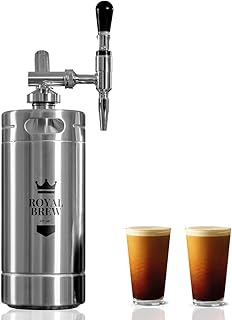
For those who prefer a softer, less acidic profile, an integrated cold brew system provides a concentrated base that is naturally sweet and incredibly smooth. When infused with nitrogen, it mimics the creamy texture of a classic espresso martini without the need for a traditional machine.
★★★★☆4.4/ 5$150 – $250
Key features
Pressure-rated carafe for nitrogen infusion
Fine-mesh cold brew filter for sediment-free coffee
Compact design that fits in refrigerator doors
Creates a cascading, creamy effect when poured
Keeps coffee fresh for up to two weeks
Pros
Provides an ultra-smooth, low-acid coffee base
Effortless for hosting large groups without pulling shots
The cascading pour creates a stunning visual moment
Cons
Requires nitrogen cartridges for the full effect
Preparation must begin 12-24 hours in advance
What buyers say
“Commonly cited for its ‘silky texture’ and the ‘mesmerizing way it settles in the glass.’”
Why it stands out: Ideal for the effortless host who wants the indulgence of a martini with the smooth flow of a pre-prepared base.
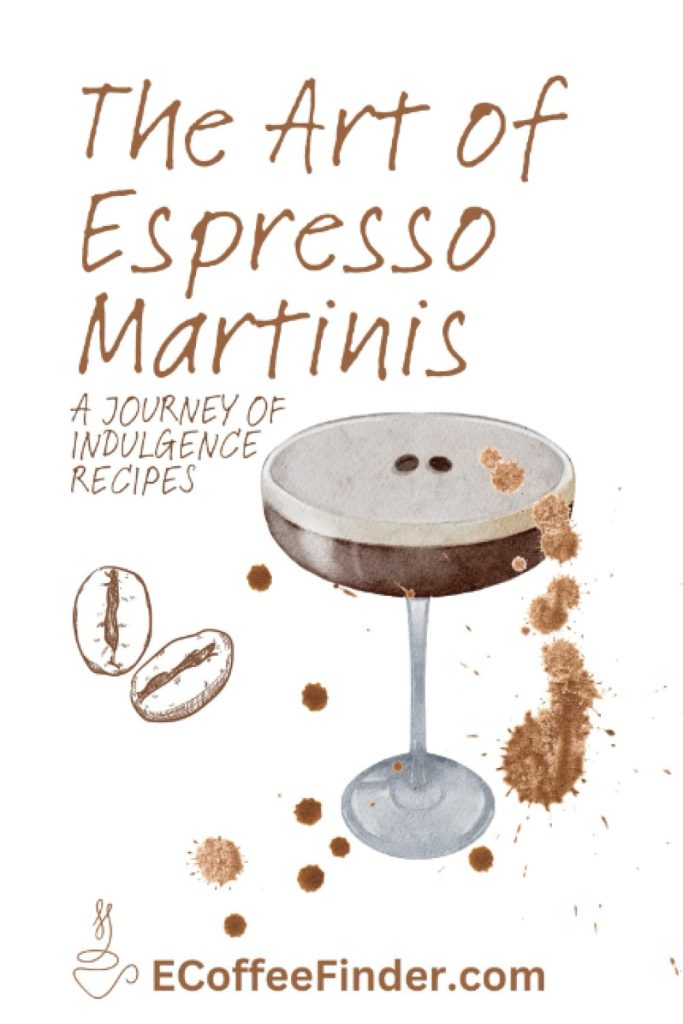
Elevate your evening ritual with a collection designed for the moments when the day slows down and the night begins to lift. The Art of Espresso Martinis is your guide to mastering the balance of dark richness and smooth energy.
– Master the signature glossy crema and temperature-perfect pour.
– Explore curated recipes that blend sensory depth with stylish presentation.
– Transform your home bar into an intentional, atmosphere-driven experience.
Grab your copy of The Art of Espresso Martinis via the link below.
As an affiliate, I may earn a commission from qualifying purchases made through links in this post.
As an affiliate, I may earn a commission from qualifying purchases made through links in this post.
Frequently Asked Questions
How far in advance can I prepare a batch espresso martini?
Prepare the base mixture up to 4 hours before serving, but add foam stabilizers and perform the double-shake technique only 30 minutes before guests arrive to maintain optimal foam quality.
What’s the best natural stabilizer for espresso martini foam?
Aquafaba (chickpea liquid) provides excellent foam stability for 2-3 hours without altering flavor. Use 1 tablespoon per dozen servings for best results.
Can I use cold brew instead of fresh espresso for large batches?
Cold brew concentrate works for flavor but lacks the oils and proteins needed for proper foam. Mix 70% cold brew with 30% fresh espresso shots for optimal results.
How do I keep glasses frozen for outdoor summer parties?
Use a portable freezer or large coolers with dry ice. Pre-freeze glasses for minimum 2 hours and serve immediately after removing from cold storage.
What vodka works best for batch espresso martinis?
Choose neutral, premium vodkas that won’t overpower coffee flavors. Brands like Tito’s or Grey Goose provide clean alcohol backbone without competing with espresso complexity.


Leave a Reply