
Espresso Martini Foam and the Crown That Defines the Drink
Espresso martini foam is the pale, velvety layer that forms on top of the cocktail when espresso, vodka and coffee liqueur are shaken hard with ice. It is the visual signature of the drink and the first texture you meet when you take a sip.
Espresso Martini Foam: Key Takeaways
- Foam forms when the drink is shaken hard with ice and espresso’s natural oils.
- It adds a silky first texture and a dramatic contrast to the dark liquid.
- Foam varies from drink to drink, so enjoy it as part of the moment.
Set a freshly poured glass on a dark counter and watch. The liquid is nearly black. The foam settles on top in slow motion, tiny bubbles tightening into a smooth, pale surface that holds the light like a pearl. Then it is still, and the whole glass looks like a painting.
This guide is for adults of legal drinking age.
The First Look at Espresso Martini Foam
It is the contrast that stops you. Pale against dark, soft against glossy, cloudlike against the weight of the liquid below. In low light, the edge of the foam catches a thin line of gold, as if the drink has been outlined by a careful hand.
You rarely see this combination elsewhere. That is why a photograph of an espresso martini feels instantly recognizable.
The Texture of Espresso Martini Foam
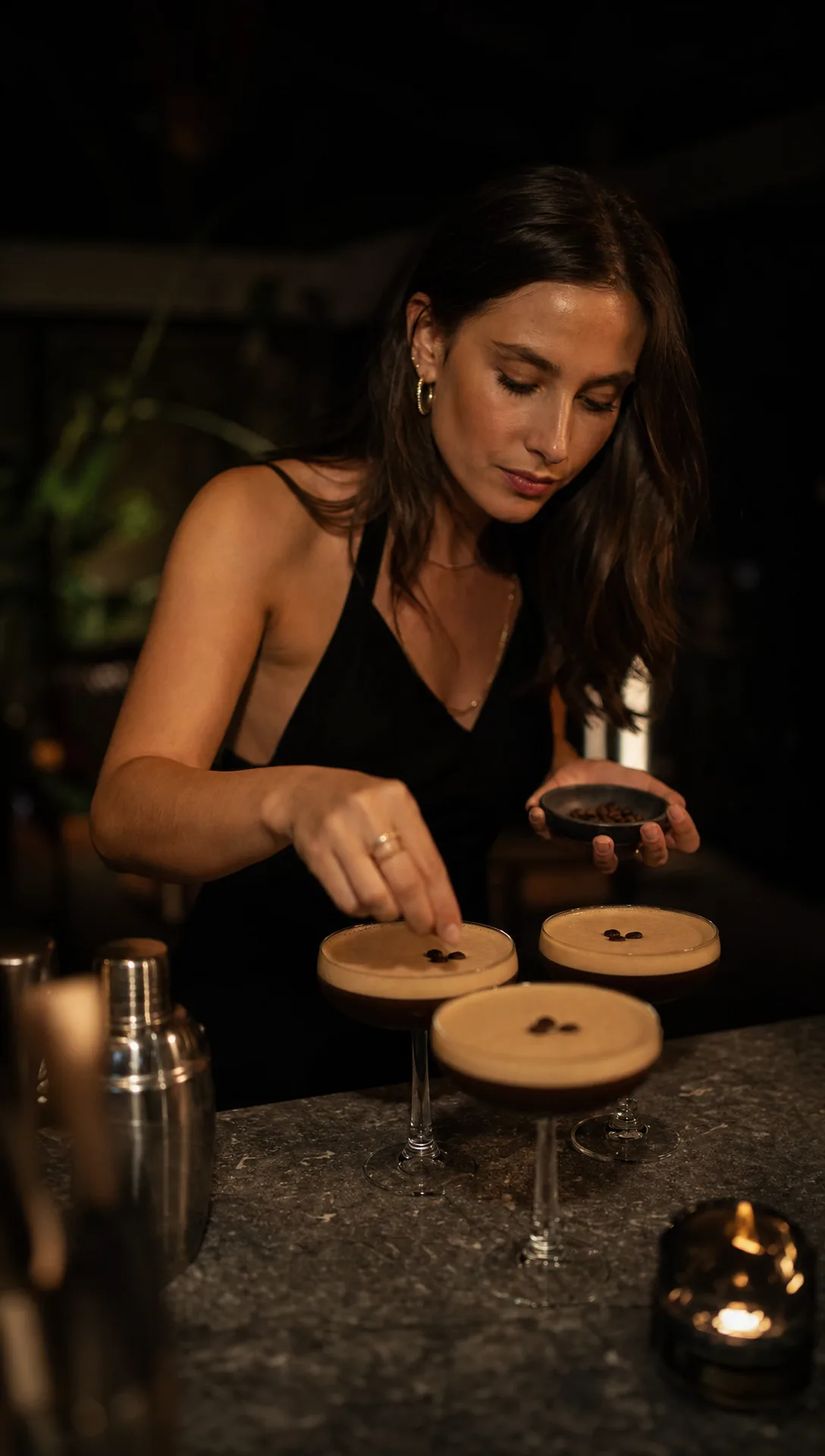
The texture is the real reward. The foam is cool and fine, with the smoothness of whipped cream and the lightness of air. It meets your lip first, a soft cold touch, before the drink beneath arrives with its richer, deeper flavor.
The foam fades gradually as you sip, thinning to a delicate lace along the rim. Watching it change is part of the ritual.
The Color Story of Espresso Martini Foam
Foam is rarely pure white. In a good espresso martini, it carries a warm cream tone with a hint of caramel, especially near the edges where it meets the liquid. Under a single lamp, that color deepens to a glow somewhere between ivory and gold.
The darker the drink beneath, the more luminous the foam appears. It is a study in contrast, and no two glasses look quite the same.
Light and Shadow Around Espresso Martini Foam
Foam is sensitive to the way light lands on it. A lamp placed to one side highlights its soft ridges. A candle behind the glass produces a faint halo. A window at dusk lends a cool blue shadow that makes the gold feel warmer.
Move your head slightly and the highlights slide across the surface. These tiny shifts are what make the scene feel alive.
The Glass That Frames Espresso Martini Foam
A chilled coupe or a stemmed martini glass shows off the foam best. The wide surface lets it spread in a smooth, even layer. A thin rim gives a delicate edge. A bit of frost on the outside of the glass makes the whole drink look newly poured.
Choose a glass that feels pleasant in your hand. The pleasure of holding it is part of the experience.
The Garnish on Espresso Martini Foam
Three coffee beans resting on the foam are the classic touch. They float lightly, dark against the pale surface, and signal that the drink is complete. A dusting of cocoa or a delicate curl of orange peel adds fragrance and color.
Place the garnish with care, then leave it alone. Espresso martini foam looks best when it is treated gently.
Why Espresso Martini Foam Varies From Glass to Glass
No two pours look exactly alike. Ice, temperature, coffee strength and the force of the shake all influence the foam, and it can be thicker one night and finer the next. That variety is part of the charm.
Enjoy what you are given. A drink with a slightly thinner crown can taste just as wonderful, and a thicker one can be a small delight.
A Gentle Word on Pouring for Espresso Martini Foam
Smooth, sweet drinks can be easy to finish quickly. Pour modestly, sip slowly and keep water close by. Caffeine does not cancel the effect of alcohol, and it can hide how strong a drink is. Never drive after drinking. A decaf or alcohol-free version can offer a similar look and mood.
Inspiration for Espresso Martini Foam and Beyond
For ideas and inspiration, The Art of Espresso Martinis features over 50 espresso martini creations blended with storytelling. It explores recipes and techniques, heritage and culture and ideas for presentation, pairings and gatherings, written for cocktail lovers and home bartenders.
Keep it close when you want to try a new variation.
Espresso Martini Foam: Questions Readers Ask
What is espresso martini foam? It is the pale, silky layer on top of the cocktail, created when espresso and ice are shaken hard.
Why does it look different each time? Ice, temperature, coffee strength and the force of the shake all affect how it forms.
Does decaf produce foam? It can, though the result may differ. Enjoy the look and the texture as they come.
Where can I find recipes? The Art of Espresso Martinis features over 50 espresso martini creations.
Savoring Espresso Martini Foam Before It Fades
The foam has a short life, which is part of its allure. Take a moment to look before you drink. Notice the sheen, the soft edge, the three small beans. Then lift the glass and take the first cool sip.
Some pleasures are better when they are brief.
Capturing Espresso Martini Foam in Photographs
The crown is made for close-up frames. Move in until the foam fills the lower half of the picture and let the rim of the glass fall softly out of focus. Use a single warm lamp from the side and avoid a harsh flash, which flattens the surface and erases its subtle ridges.
A hand holding the stem adds a human note. Condensation on the glass adds texture. Take a few frames and then put the phone down. Espresso martini foam is lovely to photograph, but it is lovelier still to drink while it is fresh.
The Sound of Espresso Martini Foam Settling
There is an almost imperceptible quiet in the first seconds after a pour. If the room is still enough, you can hear the faint whisper of tiny bubbles tightening against one another as the foam settles into its smooth surface. It is a small sound, the kind you only notice when you are paying attention.
That attention is part of what these drinks reward. They invite you to slow down and notice the details that a faster evening would miss.
Pairing Espresso Martini Foam With the Setting
The best settings let the foam stand out. A dark marble coaster makes it glow. A deep wood table gives it warmth. A black or charcoal napkin deepens the contrast. Avoid busy patterns that compete with the crown.
Place the glass slightly off-center in the scene, with a little space around it for shadow. A restrained composition feels confident, and confidence is the tone of the entire experience.
Espresso Martini Foam: A Detail Worth Noticing
Tonight, when the light goes low and the glass is in your hand, pause for a breath before the first sip. Let your eyes rest on the crown. It is a small thing, but small things are what make an evening memorable.
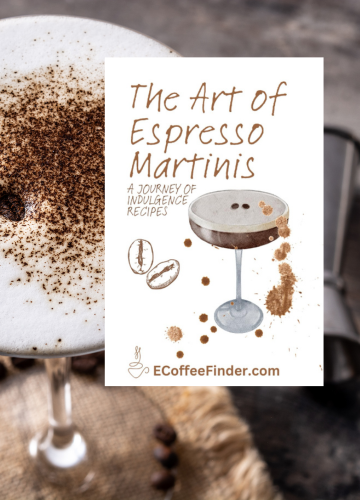
If you would like more ideas for the evenings ahead, find your next pour in The Art of Espresso Martinis, and let the night build slowly.