The 5 PM Transition: Awakening the Obsidian Ritual
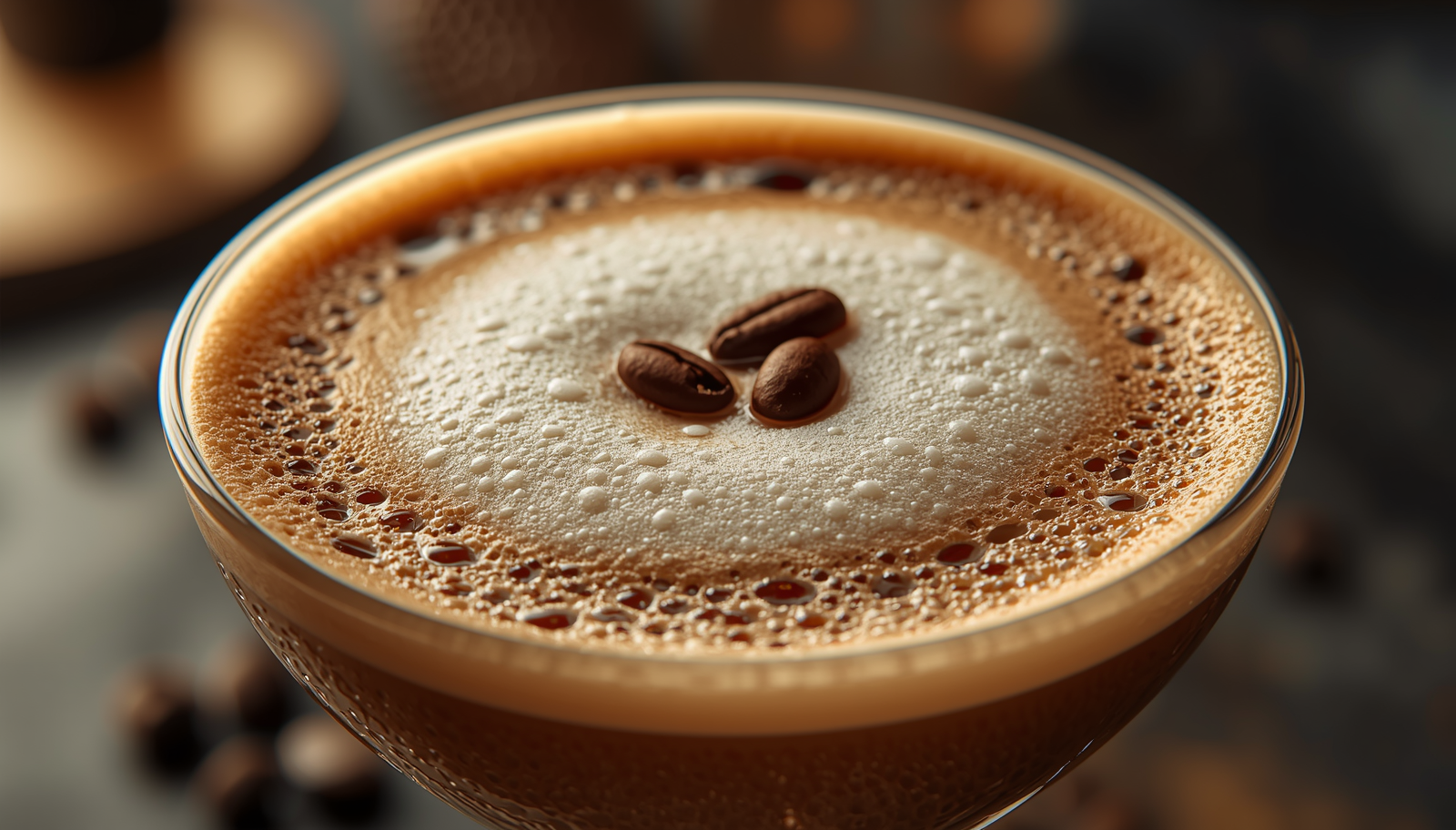
The obsidian ritual begins in the quiet twilight, where the harsh, clinical glare of the workday fades into the warm, amber glow of an evening sanctuary. As the sleek laptop snaps shut, the rhythmic, muffled thud of a weighted shaker takes its place, marking the ultimate sensory transition. The true mark of this decadent escape lies not merely in the choice of a premium, botanical gin or a smoky mezcal, but in mastering the precise espresso martini foam structure. When the dark, intoxicating cascade finally settles into the crystal coupe, catching the low, directional light, the beige crown that forms must be an architectural marvel. It is a luxurious necessity, a tactile bridge between the corporate grind and the indulgent night.
Molecular Mixology: The Anatomy of a Coffee Oil Emulsion
To engineer a plush, unyielding crown, one must delve deeply into the realms of molecular mixology. The secret to a foam that outlasts the final, lingering sip is deeply rooted in a delicate coffee oil emulsion. When high-pressure water forces its way through finely ground, freshly roasted beans, it extracts lipids and melanoidins. These microscopic droplets of fat are the foundational building blocks of your crema. By understanding the intricate dance between these natural coffee oils, the viscosity of your chosen spirit, and the subtle integration of complex sugars, you transform your home bar from an amateur setup into an artisan speakeasy.
The Cold Shot Technique
A common lament among evening hosts is a fragile, dissipating foam that vanishes within sixty seconds, leaving behind a flat, lifeless pool. To arrest this degradation and achieve a velvet-thick head, precision temperature control is paramount. Enter the cold shot technique. By pulling your fresh espresso and chilling it for exactly two minutes before it meets the ice in your shaker, you prevent excessive, immediate ice dilution. This brief resting period stabilizes the delicate fats, ensuring the crema’s structural integrity remains entirely intact during the violent agitation to come.
Engineering the Velvet: Home Bar Aeration
Proper home bar aeration is an aggressive, rhythmic art form. The chilling frost that bites at the palm of your hand as you shake the stainless steel tin is the physical manifestation of kinetic energy whipping microscopic air bubbles into the chilled coffee oils. For those seeking absolute texture maximalism, the reverse-dry shake is a revelation. By shaking your chilled espresso, premium liqueur, and base spirit over ice to reach maximum dilution, straining out the frozen shards, and shaking fiercely a second time without ice, you whip the emulsion into a dense, meringue-like state capable of supporting the weight of a heavy chocolate garnish or a delicate parmesan snow.
Adapting the Craft: Moka Pot Espresso and Savoury Shifts
Even if your aesthetic home speakeasy lacks a high-end, commercial espresso machine, a standard Moka pot espresso can yield profound, texturally rich results if paired with the right concentration of fats and sugars. As the 2026 palate rapidly evolves beyond cloying sweetness, we are witnessing an aggressive embrace of savoury complexity. The integration of a salted, umami miso syrup acts as a brilliant binding agent, its inherent density fortifying the foam while its profound saltiness unlocks the hidden, floral sweetness of light-roast beans. This textural maximalism stands in striking, defiant contrast to another rising trend: the clarified, milk-washed clear espresso martini, which defies visual expectations while retaining a punchy, aromatic bite.
Curating the Final Pour
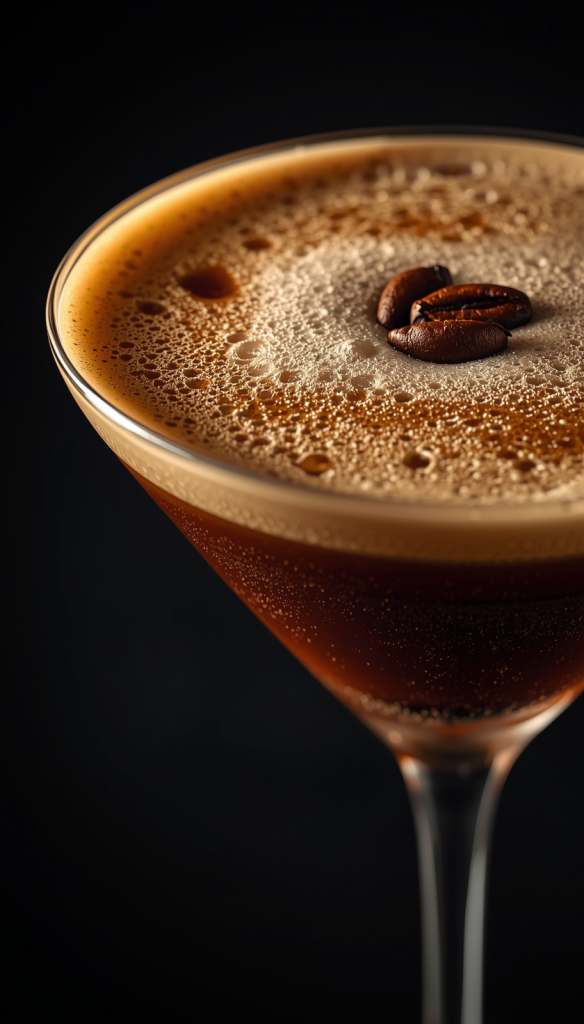
As the liquid streams through a fine mesh strainer—preventing jagged ice shards from disrupting the glassy surface—the dark brew plunges to the bottom of the shallow coupe glass, leaving a thick, beige tapestry in its wake. The final act of this obsidian ritual demands the precise, triangular placement of three coffee beans: health, wealth, and happiness. Resting atop the impossibly dense foam, their polished surfaces reflect the moody, ambient candlelight, inviting you to take that first, velvety, confident sip.
Search terms integrated for ASO: Espresso Martini Foam Structure, Molecular mixology, Coffee oil emulsion, Velvet-thick head, Cold shot technique, Home bar aeration, Reverse-dry shake, Moka pot espresso, Umami miso syrup, Clear espresso martini, Obsidian ritual.
Frequently Asked Questions
Why does my home-shaken espresso martini foam vanish within sixty seconds compared to a bar-poured serve?
A vanishing foam is typically caused by a lack of a stable coffee oil emulsion and excessive ice dilution. By using the cold shot technique—chilling your freshly pulled espresso for exactly two minutes before shaking—you preserve the delicate lipids that form the crema. Additionally, utilizing a reverse-dry shake maximizes home bar aeration, creating a velvet-thick head that lasts.
Can I achieve a velvet-thick head using a Moka pot instead of a professional machine?
Yes, Moka pot espresso can produce a surprisingly dense foam if you manage your ratios correctly. Because a Moka pot doesn’t generate the same pressure as a commercial machine, you must rely on molecular mixology techniques. Shaking vigorously with dense sugars, such as an umami miso syrup, provides the necessary viscosity to trap air and stabilize the structure.
What is the secret to the clear espresso martini trend of 2026?
The clear espresso martini utilizes a molecular technique called milk-washing. The dark, acidic espresso and spirit mixture is introduced to whole milk, which curdles and traps the dark pigments and harsh tannins. Once finely strained, you are left with a crystal-clear liquid that maintains the robust, punchy flavor profile of the beans while presenting a stunning visual contrast.
Does adding egg white or ‘Fee Foam’ ruin the authentic coffee flavor profile?
For purists engaged in the true obsidian ritual, adding egg white can mute the subtle, floral notes of a single-origin roast, while artificial foams can introduce unwanted synthetic textures. The modern approach relies purely on natural coffee lipids, the reverse-dry shake, and temperature control to build an authentic, organic foam structure without masking the bitter complexity of the spirit.
Elevate your evening ritual with a collection of recipes designed to transform your home bar into a sanctuary of sophistication and flavor. The Art of Espresso Martinis offers a sensory journey through the velvety textures and bold aromas of the world’s most iconic coffee cocktail.
– Over 20 indulgent recipes ranging from classic profiles to modern, decadent twists.
– Expert techniques for achieving the perfect, long-lasting golden crema every time.
– Styling and presentation tips to ensure every pour is as visually stunning as it is delicious.
Grab your copy of The Art of Espresso Martinis via the link below to start your journey of indulgence.

Leave a Reply